Upcoming mi mobiles

Leak: Redmi to offer 50MP camera on upcoming phone

It looks like Redmi could be thinking that less is more when it comes to megapixels.

By sajid patel / tech world
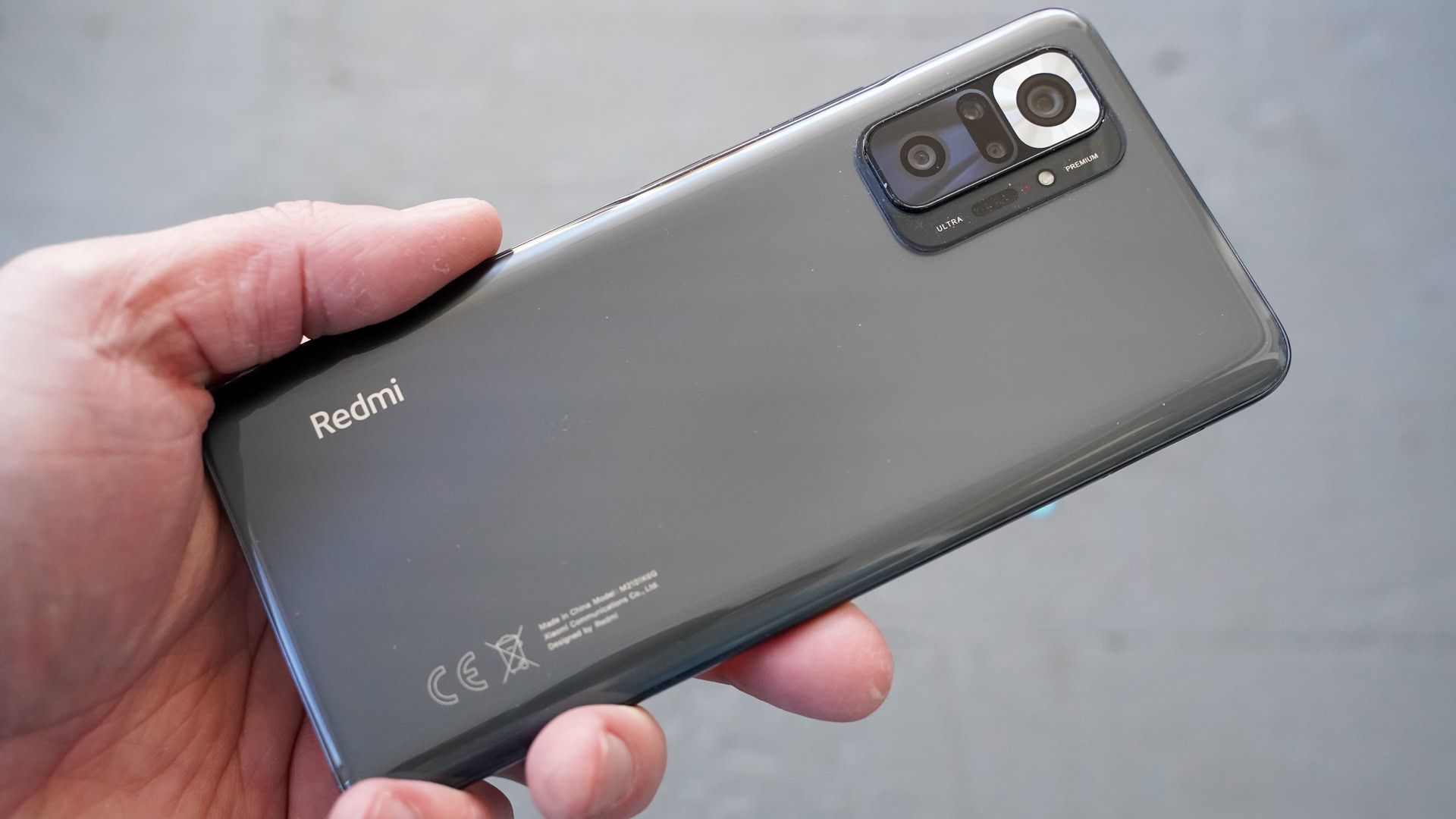
Redmi Note 10 Pro rear profile

TL;DR

  • Redmi is apparently planning to launch a phone with a 50MP camera.
  • The sensor size points to a 50MP Omnivision camera.
  • This would be a departure from the Redmi Note 10 Pro’s 108MP sensor.

Redmi launched the Redmi Note 10 Pro earlier this year, bringing a 108MP main camera to a Redmi phone for the first time. But we’ve also seen a trend for flagships to adopt 50MP main or ultra-wide cameras in recent times, as the likes of OnePlus, Oppo, Vivo, and Xiaomi all offer a 50MP sensor on their flagships.

Now, Weibo tipster Digital Chat Station has claimed that Xiaomi’s budget-focused sub-brand also has a phone with a 50MP camera in the works. According to machine translation, the upcoming Chinese version of the Redmi Note 10 Pro won’t be using this camera.nullWeibo/Digital Chat Station

The leaker also claims that the 50MP camera in question packs a 1/1.5-inch sensor size, which doesn’t line up with Samsung’s GN1 and GN2 sensors. But it definitely matches Omnivision’s 50MP OV50A image sensor, which was announced in February.

Omnivision’s sensor also touts 100% phase detection autofocus coverage, one-micron pixel size, staggered HDR, and pixel-binned shots comparable to a 12.5MP two-micron pixel camera. The pixel size in particular is smaller than Samsung’s 50MP sensors, but larger than the Mi 11’s 108MP main camera and the Redmi Note 10’s 48MP shooter. We’re nevertheless glad to see companies take a “less is more” approach to megapixels, as larger pixels generally equal better low light shots. 

For what it’s worth, our own Eric Zeman thought the 108MP-toting Redmi Note 10 Pro offered fine images for the price, but that it couldn’t match the Pixel 4a. So it definitely seems like there’s room for improvement for this next Redmi device.

Mobile banking

Paytm, PhonePe, Google Pay, other mobile wallets to be interoperable from April 2022

Beginning April 2022, a mobile wallet user, who is fully vetted and has fulfilled all KYC norms, will be able to send and receive money from various mobile wallets

505_200521115646.jpg

The Reserve Bank of India (RBI) has issued a circular asking all licensed prepaid payment instruments (PPIs) or mobile wallets such as PhonePe, Paytm, Google Pay and Mobikwik, to be interoperable from FY23.

This implies that beginning April 2022, a mobile wallet user, who is fully vetted and has fulfilled all KYC norms, will be able to send and receive money from various mobile wallets.

The central bank added that for card-based PPIs, this can be accomplished through card network interoperability and for e-wallets via the UPI (Unified Payments Interface).

PPI for Mass Transit Systems (PPI-MTS) will remain exempted from interoperability whereas GIFT PPI issuers have the option to offer interoperability, the RBI said in its circular.

Furthermore, mobile wallets can also be used for cash withdrawals up to Rs 2,000, the circular stated, adding that the wallet limit has also been expanded to Rs 2 lakh from Rs 1 lakh.

“Any PPI issuer offering this facility shall put in place proper customer redressal mechanisms. Complaints in this regard shall fall under the ambit of the respective ombudsman schemes and instructions on limiting liability of customers,” the central bank said in its circular.

“PPI issuers shall put in place suitable cooling periods for cash withdrawal upon opening the PPIs or loading/ re-loading of funds into PPIs to mitigate the risk of fraudulent use of PPIs,” it noted.null

RBI Governor Shaktikanta Das had announced these measures after the April 5-7 MPC (Monetary Policy Committee) meet.

Also Read: You can soon directly transfer money from one digital wallet to other

“To incentivise the migration of PPIs to full-KYC, it is proposed to increase the current limit on outstanding balance in such PPIs from Rs 1 lakh to Rs 2 lakh,” Das had stated in his post-policy statement.

The RBI had first issued guidelines for the adoption of interoperability on a voluntary basis for full-KYC PPIs in October 2018, however, there was no significant shift towards it.

Presently, cash withdrawal is permitted only for full-KYC PPIs issued by banks, such as debit and credit cards. However, under the new rules, a prepaid card or payment wallet can now be used to withdraw cash at ATMs, micro-ATMs, and eligible PoS (Point of Sale) depots.